我小时候,是父亲教我骑自行车的。
Wǒ xiǎoshíhou, shì fùqīn jiāo wǒ qí zìxíngchē de.
When I was a child, it was my father who taught me to ride a bicycle.
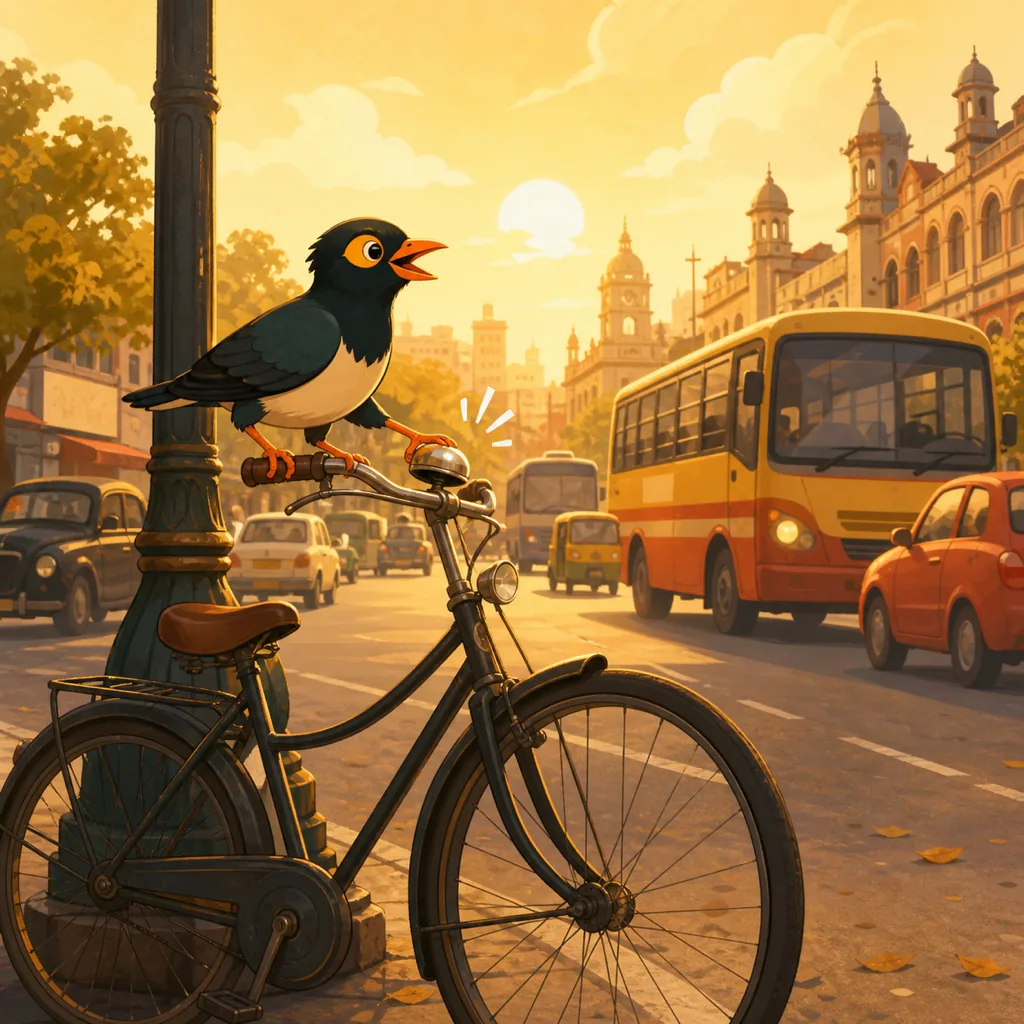
The City and the Bicycle. 69 sentences you can read in full today. Audio for the whole shelf lands with the full library.
我小时候,是父亲教我骑自行车的。
Wǒ xiǎoshíhou, shì fùqīn jiāo wǒ qí zìxíngchē de.
When I was a child, it was my father who taught me to ride a bicycle.
那年我八岁,个子还没有车高。
Nà nián wǒ bā suì, gèzi hái méiyǒu chē gāo.
That year I was eight, not yet as tall as the bike.
父亲扶着车后座,让我用力往前踩。
Fùqīn fú zhe chē hòu zuò, ràng wǒ yònglì wǎng qián cǎi.
Father held the back of the seat and told me to pedal hard.
我以为他会一直在后面扶着。
Wǒ yǐwéi tā huì yìzhí zài hòumiàn fú zhe.
I thought he would keep holding on behind me.
骑出十几米,我才发现他早就放了手。
Qí chū shí jǐ mǐ, wǒ cái fāxiàn tā zǎo jiù fàng le shǒu.
After a dozen meters, I realized he had let go long before.
那个傍晚,我学会的不只是骑车。
Nàge bàngwǎn, wǒ xuéhuì de bù zhǐshì qí chē.
That evening, I learned more than just riding.
我还明白了,没有人可以永远扶着你。
Wǒ hái míngbai le, méiyǒu rén kěyǐ yǒngyuǎn fú zhe nǐ.
I also understood that no one can hold you up forever.
后来我离开家乡,到南方的一座大城市工作。
Hòulái wǒ líkāi jiāxiāng, dào nánfāng de yī zuò dà chéngshì gōngzuò.
Later I left my hometown to work in a big city in the south.
城市里地铁很快,马路上的汽车很多。
Chéngshì lǐ dìtiě hěn kuài, mǎlù shàng de qìchē hěn duō.
The city has fast subways and streets full of cars.
同事们都笑我,怎么还骑自行车上班。
Tóngshì men dōu xiào wǒ, zěnme hái qí zìxíngchē shàngbān.
My colleagues laughed at me for still biking to work.
他们说,骑车太慢,也太累。
Tāmen shuō, qí chē tài màn, yě tài lèi.
They said riding was too slow and too tiring.
可是我喜欢骑车穿过早晨的街道。
Kěshì wǒ xǐhuan qí chē chuānguò zǎochen de jiēdào.
But I love riding through the streets in the early morning.
风从身边吹过,灯一盏一盏地灭了。
Fēng cóng shēnbiān chuī guò, dēng yī zhǎn yī zhǎn de miè le.
The wind brushes past me and the street lamps go out one by one.
那是我一天里最喜欢的二十分钟。
Nà shì wǒ yī tiān lǐ zuì xǐhuan de èr shífēn zhōng.
Those are my favorite twenty minutes of the day.
骑车让我慢慢认识了这座城市的脸。
Qí chē ràng wǒ màn màn rènshi le zhè zuò chéngshì de liǎn.
Riding let me slowly learn the face of this city.
我知道哪条小街的面做得最好吃。
Wǒ zhīdào nǎ tiáo xiǎo jiē de miàn zuò de zuìhǎo chī.
I know which small street makes the best noodles.
我知道哪个路口的树,春天开花最早。
Wǒ zhīdào nǎge lùkǒu de shù, chūntiān kāihuā zuì zǎo.
I know at which crossing the trees bloom earliest in spring.
坐地铁的人看不见这些。
Zuò dìtiě de rén kàn bújiàn zhèxiē.
People on the subway cannot see any of this.
他们只看见黑黑的窗子和两边的广告。
Tāmen zhī kànjiàn hēi hēi de chuāng zi hé liǎng biān de guǎnggào.
They only see dark windows and the advertisements beside them.
我知道桥下的老人每天早上都在那里打牌。
Wǒ zhīdào qiáo xià de lǎorén měi tiān zǎoshang dōu zài nàlǐ dǎ pái.
I know the old men under the bridge play cards there every morning.
我知道哪条路在雨后会积很深的水。
Wǒ zhīdào nǎ tiáo lù zài yǔ hòu huì jī hěn shēn de shuǐ.
I know which road collects deep water after rain.
开车的人只看着红灯,我却看见了整座城。
Kāichē de rén zhī kàn zhe hóng dēng, wǒ què kànjiàn le zhěng zuò chéng.
Drivers only watch the red lights, but I get to see the whole city.
十年里,这座城市变了很多。
Shí nián lǐ, zhè zuò chéngshì biàn le hěn duō.
Over ten years, this city has changed a great deal.
旧的菜场没有了,变成了大商场。
Jiù de cài chǎng méiyǒu le, biànchéng le dà shāngchǎng.
The old wet market disappeared and became a shopping mall.
矮的房子拆了,变成了很高的楼。
Ǎi de fángzi chāi le, biànchéng le hěn gāo de lóu.
The low houses were torn down and became tall buildings.
我的自行车也换了好几辆。
Wǒ de zìxíngchē yě huàn le hǎo jǐ liàng.
I have changed bicycles several times too.
街上到处都是用手机一扫就能骑走的车。
Jiē shàng dàochù dōu shì yòng shǒujī yī sǎo jiù néng qí zǒu de chē.
The streets are full of bikes you can unlock with a phone.
这种车很方便,用完停在路边就行。
Zhè zhǒng chē hěn fāngbiàn, yòng wán tíng zài lùbiān jiù xíng.
They are convenient; you just park them by the road when done.
可是它不属于任何人。
Kěshì tā bù shǔyú rènhé rén.
But such a bike belongs to no one.
没有人会给它擦灰,也没有人会心疼它。
Méiyǒu rén huì gěi tā cā huī, yě méiyǒu rén huì xīnténg tā.
No one wipes the dust off it, and no one feels for it.
我的旧车还放在家里的阳台上。
Wǒ de jiù chē hái fàng zài jiā lǐ de yángtái shàng.
My old bike still sits on the balcony at home.
车把上的皮已经裂开了。
Chē bǎ shàng de pí yǐjīng liè kāi le.
The leather on the handlebars has cracked.
车铃也早就不响了。
Chē líng yě zǎo jiù bù xiǎng le.
The bell stopped ringing long ago.
妻子说,把它扔了吧,太占地方。
Qīzi shuō, bǎ tā rēng le ba, tài zhàn dìfang.
My wife says I should throw it out; it takes up too much space.
我嘴上说好,却一直没有动手。
Wǒ zuǐ shàng shuō hǎo, què yìzhí méiyǒu dòngshǒu.
I say yes, but I have never actually done it.
那辆旧车陪了我十一年。
Nà liàng jiù chē péi le wǒ shí yī nián.
That old bike kept me company for eleven years.
它陪我搬过三次家,见过我所有的难过和高兴。
Tā péi wǒ bān guò sān cì jiā, jiàn guò wǒ suǒyǒu de nánguò hé gāoxìng.
It moved with me three times and saw all my sorrows and joys.
扔掉它,就像扔掉一段日子。
Rēng diào tā, jiù xiàng rēng diào yī duàn rìzi.
Throwing it away would be like throwing away a stretch of days.
上个月,我把它推到了楼下的修车铺。
Shàng gè yuè, wǒ bǎ tā tuī dào le lóu xià de xiū chē pū.
Last month, I pushed it to the repair shop downstairs.
修车的是一位头发白了的师傅。
Xiū chē de shì yī wèi tóufa bái le de shīfu.
The repairman was a master with white hair.
他围着车看了一圈,说这车还能修。
Tā wéi zhe chē kàn le yī quān, shuō zhè chē hái néng xiū.
He walked around the bike and said it could still be fixed.
他修好了车轮,又给车上了一点油。
Tā xiū hǎo le chē lún, yòu gěi chē shàng le yī diǎn yóu.
He fixed the wheels and added a little oil to the bike.
最后他伸出手指,按了按那个旧车铃。
Zuìhòu tā shēn chūshǒu zhǐ, àn le àn nàge jiù chē líng.
At the end he reached out and pressed the old bell.
车铃响了,声音还是老样子。
Chē líng xiǎng le, shēngyīn háishi lǎo yàngzi.
The bell rang, sounding just as it used to.
那一刻,我的心里忽然很暖。
Nà yī kè, wǒ de xīnlǐ hūrán hěn nuǎn.
At that moment, my heart suddenly felt warm.
师傅说,现在来修车的人越来越少了。
Shīfu shuō, xiànzài lái xiū chē de rén yuè lái yuè shǎo le.
The master said fewer and fewer people come to fix bikes now.
他的小铺子下个月也要关门了。
Tā de xiǎo pū zi xià gè yuè yě yào guān mén le.
His little shop will close next month too.
年轻人把车骑坏了,就换一辆新的。
Niánqīng rén bǎ chē qí huài le, jiù huàn yī liàng xīn de.
When young people break a bike, they just get a new one.
只有老人还愿意来找他修车。
Zhǐyǒu lǎorén hái yuànyì lái zhǎo tā xiū chē.
Only old people still come to him for repairs.
我骑着修好的旧车慢慢回家。
Wǒ qí zhe xiū hǎo de jiù chē màn màn huí jiā.
I rode the repaired old bike slowly home.
路上经过我刚进城时住过的那个小区。
Lùshang jīngguò wǒ gāng jìn chéng shí zhù guò de nàge xiǎoqū.
On the way I passed the neighborhood where I first lived in this city.
那里也变了,门口的小店全都换了名字。
Nàlǐ yě biàn le, ménkǒu de xiǎo diàn quándōu huàn le míngzi.
It has changed too; all the small shops at the gate have new names.
只有路口那棵大树还在。
Zhǐyǒu lùkǒu nà kē dà shù hái zài.
Only the big tree at the crossing is still there.
我把车停在树下,在路边坐了一会儿。
Wǒ bǎ chē tíng zài shù xià, zài lùbiān zuò le yíhuìr.
I parked the bike under the tree and sat by the road for a while.
一个孩子正在空地上学骑车。
Yī gè háizi zhèngzài kòngdì shàngxué qí chē.
A child was learning to ride in the open space.
他的父亲弯着腰,在后面扶着车。
Tā de fùqīn wān zhe yāo, zài hòumiàn fú zhe chē.
His father bent over, holding the bike from behind.
孩子大声喊,爸爸,你别放手。
Háizi dà shēng hǎn, bàba, nǐ bié fàng shǒu.
The child shouted, Dad, don't let go.
父亲说,好,我不放手。
Fùqīn shuō, hǎo, wǒ bù fàng shǒu.
The father said, all right, I won't let go.
可是我看见,他悄悄地放开了手。
Kěshì wǒ kànjiàn, tā qiāoqiāo de fàng kāi le shǒu.
But I saw him quietly let go.
孩子骑出去很远,一直没有回头。
Háizi qí chūqù hěn yuǎn, yìzhí méiyǒu huítóu.
The child rode far away and never looked back.
太阳照在他的背上,像很多年前的那个傍晚。
Tàiyáng zhào zài tā de bēi shàng, xiàng hěn duō nián qián de nàge bàngwǎn.
The sun shone on his back, just like that evening many years ago.
我忽然想给父亲打一个电话。
Wǒ hūrán xiǎng gěi fùqīn dǎ yī gè diànhuà.
I suddenly wanted to call my father.
他老了,已经很多年不骑车了。
Tā lǎo le, yǐjīng hěn duō nián bù qí chē le.
He is old now and has not ridden for many years.
电话通了,我说,爸爸,我的车修好了。
Diànhuà tōng le, wǒ shuō, bàba, wǒ de chē xiū hǎo le.
The call connected, and I said, Dad, my bike is fixed.
他在电话那头笑了很久,说他早就知道。
Tā zài diànhuà nà tóu xiào le hěn jiǔ, shuō tā zǎo jiù zhīdào.
He laughed for a long time on the other end and said he had known all along.
我问他知道什么。
Wǒ wèn tā zhīdào shénme.
I asked him what he had known.
他说,知道我是个不会扔东西的人。
Tā shuō, zhīdào wǒ shì gè bù huì rēng dōngxi de rén.
He said he knew I was someone who cannot throw things away.
挂了电话,我又按了一下车铃。
Guà le diànhuà, wǒ yòu àn le yíxià chē líng.
After hanging up, I pressed the bell once more.
铃声不大,却把那个傍晚带了回来。
Líng shēng bù dà, què bǎ nàge bàngwǎn dài le huílái.
The ring was quiet, but it brought that evening back.
Who taught the writer to ride a bicycle?
How do the writer's colleagues go to work?
What does the writer say subway riders see?
What will happen to the repairman's shop?
What did the father in the park do while teaching his child?
What did the writer's father say on the phone?
Nice reading. The bird saw everything.