外婆做的肉,是我小时候最爱的菜。
Wàipó zuò de ròu, shì wǒ xiǎoshíhou zuì ài de cài.
The pork my grandma cooked was my favorite dish as a child.
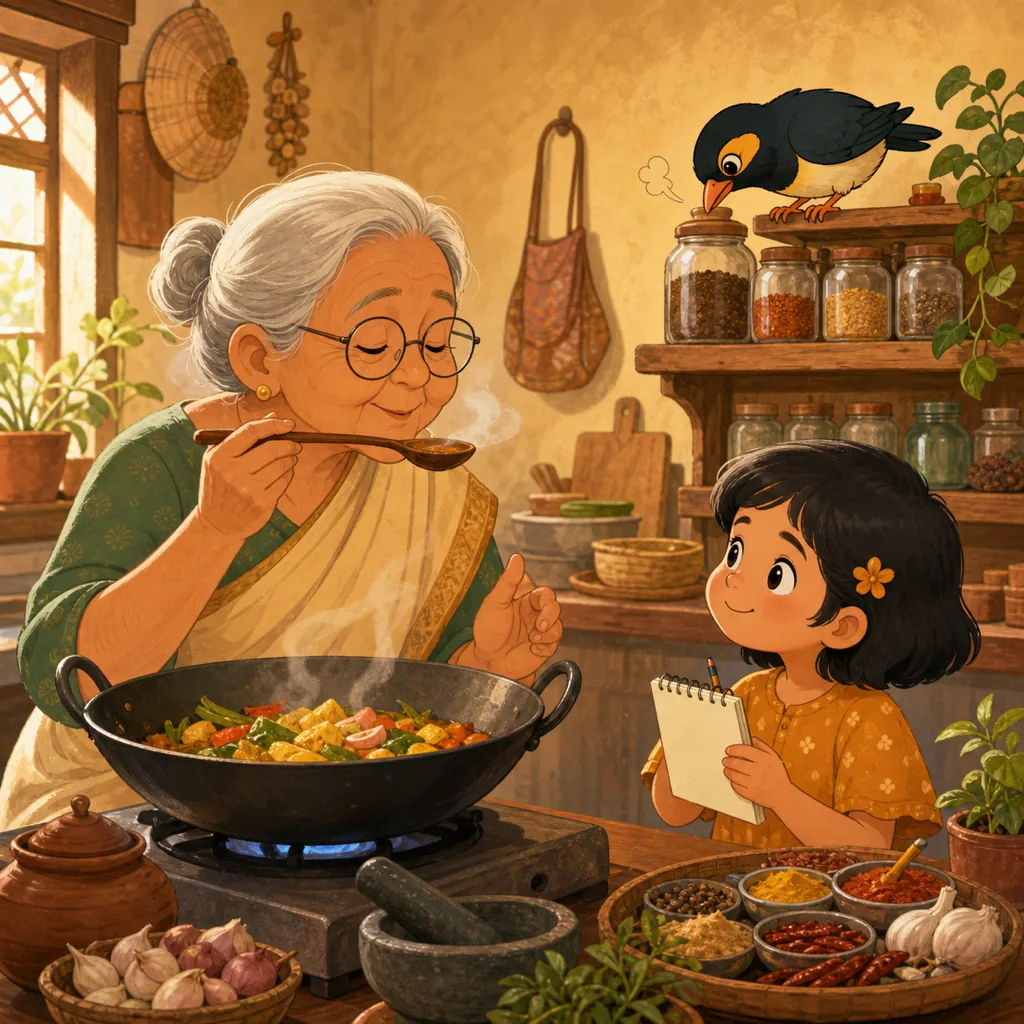
Grandmother's Dish. 24 sentences you can read in full today. Audio for the whole shelf lands with the full library.
外婆做的肉,是我小时候最爱的菜。
Wàipó zuò de ròu, shì wǒ xiǎoshíhou zuì ài de cài.
The pork my grandma cooked was my favorite dish as a child.
肉不咸也不淡,吃起来特别香。
Ròu bù xián yě bù dàn, chī qǐlái tèbié xiāng.
It was neither too salty nor too bland, and it tasted wonderful.
我离开家上大学以后,很少吃到了。
Wǒ líkāi jiā shàng dàxué yǐhòu, hěn shǎo chī dào le.
After I left home for university, I rarely got to eat it.
妈妈也学过这道菜,可味道总是不对。
Māma yě xué guò zhè dào cài, kě wèidào zǒngshì bù duì.
Mom learned the dish too, but the taste was never right.
她说,一样的肉,一样的盐,就是不一样。
Tā shuō, yíyàng de ròu, yíyàng de yán, jiùshì bù yíyàng.
She said, same pork, same salt, but it is just not the same.
去年放假,我去外婆家住了一个星期。
Qùnián fàngjià, wǒ qù wàipó jiā zhù le yī gè xīngqī.
Last holiday I stayed at Grandma's home for a week.
我跟外婆说,我想学这道菜。
Wǒ gēn wàipó shuō, wǒ xiǎng xué zhè dào cài.
I told Grandma I wanted to learn that dish.
外婆笑了,让我站在厨房里看。
Wàipó xiào le, ràng wǒ zhàn zài chúfáng lǐ kàn.
Grandma smiled and asked me to stand in the kitchen and watch.
她切肉不快,可是每块都一样大。
Tā qiē ròu bù kuài, kěshì měi kuài dōu yíyàng dà.
She cut the pork slowly, but every piece was the same size.
肉放进锅里,她把火关小了。
Ròu fàng jìn guō lǐ, tā bǎ huǒ guān xiǎo le.
After putting the pork into the wok, she turned the fire down.
她说,做这道菜,火不能大。
Tā shuō, zuò zhè dào cài, huǒ bù néng dà.
She said, for this dish, the fire must not be strong.
火大了,肉就老了,不好吃。
Huǒ dà le, ròu jiù lǎo le, bù hǎochī.
If the fire is too strong, the pork turns tough and tastes bad.
要等两个小时,不能着急。
Yào děng liǎng gè xiǎoshí, bù néng zháojí.
You have to wait two hours and must not hurry.
等的时候,她跟我讲妈妈小时候的事。
Děng de shíhou, tā gēn wǒ jiǎng māma xiǎoshíhou de shì.
While we waited, she told me stories about my mom's childhood.
她说妈妈小时候也爱吃这道菜。
Tā shuō māma xiǎoshíhou yě ài chī zhè dào cài.
She said Mom loved this dish too when she was little.
也常站在厨房门口,问她什么时候能吃。
Yě cháng zhàn zài chúfáng ménkǒu, wèn tā shénme shíhou néng chī.
Mom also used to stand at the kitchen door asking when it would be ready.
两个小时以后,肉终于好了。
Liǎng gè xiǎoshí yǐhòu, ròu zhōngyú hǎo le.
Two hours later the pork was finally done.
我尝了一口,就是那个味道。
Wǒ cháng le yī kǒu, jiùshì nàge wèidào.
I took a bite, and it was exactly that taste.
我把做法一句一句写在了纸上。
Wǒ bǎ zuòfǎ yī jù yī jù xiě zài le zhǐ shàng.
I wrote the whole method down on paper, sentence by sentence.
外婆看了看我写的纸,摇了摇头。
Wàipó kàn le kàn wǒ xiě de zhǐ, yáo le yáo tóu.
Grandma looked at my paper and shook her head.
她说,纸上少了一样东西。
Tā shuō, zhǐ shàng shǎo le yíyàng dōngxi.
She said one thing was missing from the paper.
做菜的时候,心里要想着吃的人。
Zuò cài de shíhou, xīnlǐ yào xiǎng zhe chī de rén.
When you cook, you must keep the person who will eat it in your heart.
现在我也常做这道菜。
Xiànzài wǒ yě cháng zuò zhè dào cài.
Now I cook this dish often.
朋友们都说好吃,我知道还差一点什么。
Péngyou men dōu shuō hǎochī, wǒ zhīdào hái chà yī diǎn shénme.
My friends all say it is good, but I know something is still a little short.
Who taught the writer to cook the dish?
What did Grandma say about the fire?
What was missing from the paper, according to Grandma?
Who used to wait at the kitchen door?
Nice reading. The bird saw everything.