我家的厨房,前前后后换过三次。
Wǒ jiā de chúfáng, qián qiánhòu hòu huàn guò sān cì.
Our family's kitchen has changed three times.
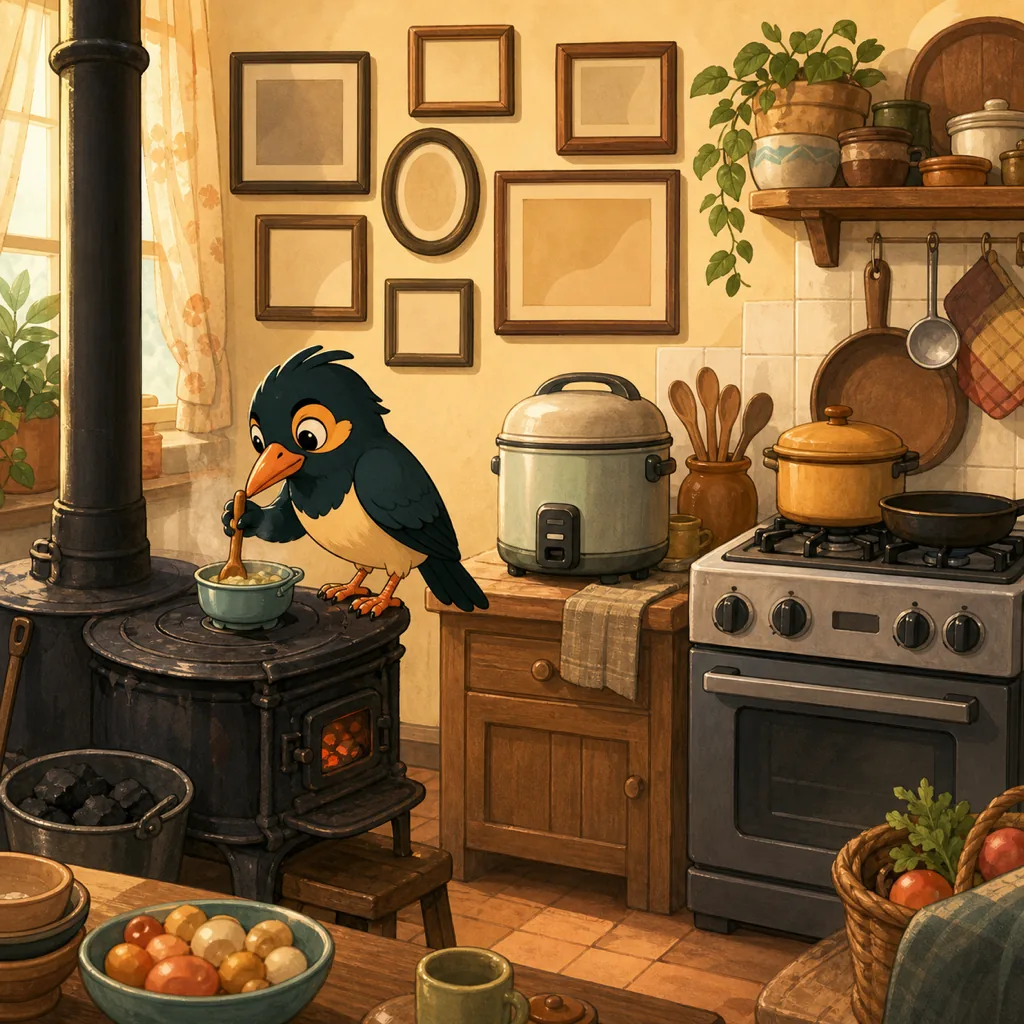
A History of Our Kitchen. 75 sentences you can read in full today. Audio for the whole shelf lands with the full library.
我家的厨房,前前后后换过三次。
Wǒ jiā de chúfáng, qián qiánhòu hòu huàn guò sān cì.
Our family's kitchen has changed three times.
一次比一次亮,也一次比一次干净。
Yī cì bǐ yī cì liàng, yě yī cì bǐ yī cì gānjìng.
Each one was brighter and cleaner than the last.
可是我记住的,总是最早的那一间。
Kěshì wǒ jì zhù de, zǒngshì zuì zǎo de nà yī jiān.
Yet what I remember is always the earliest one.
那是奶奶烧火的地方。
Nà shì nǎinai shāo huǒ de dìfang.
That was where Grandma made the fire.
厨房在屋子的最里面,白天也很暗。
Chúfáng zài wūzi de zuì lǐmiàn, báitiān yě hěn àn.
The kitchen sat at the back of the house, dark even by day.
墙边有一口缸,里面是晒干的菜。
Qiáng biān yǒu yī kǒu gāng, lǐmiàn shì shài gàn de cài.
By the wall stood a vat filled with dried vegetables.
烧火用的是草和干树枝。
Shāo huǒ yòng de shì cǎo hé gàn shù zhī.
The fire burned grass and dry branches.
火一烧起来,满屋子都是烟。
Huǒ yī shāo qǐlái, mǎn wūzi dōu shì yān.
Once the fire started, the whole house filled with smoke.
奶奶一边烧火,一边用手背擦眼睛。
Nǎinai yìbiān shāo huǒ, yìbiān yòng shǒu bēi cā yǎnjing.
Grandma tended the fire while wiping her eyes with the back of her hand.
她说,烟是认人的,就爱找她的眼睛。
Tā shuō, yān shì rèn rén de, jiù ài zhǎo tā de yǎnjing.
She said smoke knows people, and it loves to seek her eyes.
那口大铁锅坐在火上,一年到头不凉。
Nà kǒu dà tiě guō zuò zài huǒ shàng, yī nián dào tóu bù liáng.
The big iron pot sat on the fire, never going cold all year.
过年的时候,锅里煮的是饺子。
Guònián de shíhou, guō lǐ zhǔ de shì jiǎozi.
At New Year, the pot boiled dumplings.
平时的时候,锅里煮的是红薯和玉米。
Píngshí de shíhou, guō lǐ zhǔ de shì hóngshǔ hé yùmǐ.
On ordinary days, it boiled sweet potatoes and corn.
锅里煮的是粥,是菜,是一家人。
Guō lǐ zhǔ de shì zhōu, shì cài, shì yī jiārén.
What boiled in the pot was congee, vegetables, the whole family.
我个子小,只能看见锅里的白气。
Wǒ gèzi xiǎo, zhǐ néng kànjiàn guō lǐ de bái qì.
I was small and could only see the white steam inside the pot.
白气升起来,把奶奶的脸挡在后面。
Bái qì shēng qǐlái, bǎ nǎinai de liǎn dǎng zài hòumiàn.
The steam rose and hid Grandma's face behind it.
那间厨房,养大了父亲他们四个孩子。
Nà jiān chúfáng, yǎng dà le fùqīn tāmen sì gè háizi.
That kitchen raised my father and the other three children.
后来父亲进城工作,我们有了新家。
Hòulái fùqīn jìn chéng gōngzuò, wǒmen yǒu le xīn jiā.
Later my father went to the city for work, and we had a new home.
母亲的厨房用的是煤气。
Mǔqīn de chúfáng yòng de shì méiqì.
My mother's kitchen ran on gas.
火一点就着,不用烧草,也没有烟。
Huǒ yī diǎn jiù zhe, búyòng shāo cǎo, yě méiyǒu yān.
The fire lit at once, burning no grass and making no smoke.
厨房小了,亮了,墙上贴了白色的砖。
Chúfáng xiǎo le, liàng le, qiáng shàng tiē le báisè de zhuān.
The kitchen was smaller and brighter, with white tiles on the wall.
母亲在这间厨房里站了三十年。
Mǔqīn zài zhè jiān chúfáng lǐ zhàn le sān shí nián.
Mother stood in that kitchen for thirty years.
早上是粥和咸的菜。
Zǎoshang shì zhōu hé xián de cài.
Mornings meant congee and salted vegetables.
中午常常是一碗热面。
Zhōngwǔ chángcháng shì yī wǎn rè miàn.
Noon was often a bowl of hot noodles.
晚上总有两三个菜。
Wǎnshang zǒng yǒu liǎng sān gè cài.
Evenings always brought two or three dishes.
母亲做菜不量也不称,咸淡正好。
Mǔqīn zuò cài bù liáng yě bù chēng, xián dàn zhènghǎo.
Mother measured and weighed nothing, yet the salt was always right.
我放学回家,在门口就闻到了饭的味道。
Wǒ fàngxué huí jiā, zài ménkǒu jiù wén dào le fàn de wèidào.
Coming home from school, I smelled dinner at the door.
今天吃什么,我用不着问。
Jīntiān chī shénme, wǒ yòng bù zhe wèn.
I never needed to ask what we would eat.
闻见酸的,就是醋拌的菜。
Wén jiàn suān de, jiùshì cù bàn de cài.
If I smelled something sour, it was a dish dressed with vinegar.
闻见甜的,就是要过节了。
Wén jiàn tián de, jiùshì yào guòjié le.
If I smelled something sweet, a festival was coming.
母亲的厨房也是我的学校。
Mǔqīn de chúfáng yě shì wǒ de xuéxiào.
Mother's kitchen was also my school.
我先是站在旁边看,后来学着打下手。
Wǒ xiān shì zhàn zài pángbiān kàn, hòulái xué zhe dǎ xiàshǒu.
At first I just watched from the side; later I learned to help.
她教我怎么挑菜,怎么洗菜。
Tā jiāo wǒ zěnme tiāo cài, zěnme xǐ cài.
She taught me how to choose vegetables and how to wash them.
教我先放姜,后放盐。
Jiāo wǒ xiān fàng jiāng, hòu fàng yán.
She taught me ginger goes in first, salt later.
教我等水开了再把面下进去。
Jiāo wǒ děng shuǐ kāi le zài bǎ miàn xià jìnqù.
She taught me to wait for the boil before dropping in the noodles.
她说,做饭和做人是一个道理。
Tā shuō, zuò fàn hé zuò rén shì yī gè dàolǐ.
She said cooking and being a person follow the same principle.
时间不到,什么都不好吃。
Shíjiān bù dào, shénme dōu bù hǎochī.
If the time is not right, nothing tastes good.
我成家以后,有了自己的厨房。
Wǒ chéngjiā yǐhòu, yǒu le zìjǐ de chúfáng.
After I married, I had a kitchen of my own.
里面有冰箱,有各种新式的锅。
Lǐmiàn yǒu bīngxiāng, yǒu gèzhǒng xīnshì de guō.
It held a refrigerator and all kinds of new pots.
火不用点了,按一下就行。
Huǒ búyòng diǎn le, àn yíxià jiù xíng.
No fire needs lighting; one press of a button does it.
可是我做的菜,总不如母亲做的。
Kěshì wǒ zuò de cài, zǒng bùrú mǔqīn zuò de.
Yet my cooking never matches my mother's.
可就是差了点什么,我说不上来。
Kě jiùshì chà le diǎn shénme, wǒ shuōbushàng lái.
Yet something is always missing, and I cannot name it.
我问母亲,差在哪里。
Wǒ wèn mǔqīn, chà zài nǎlǐ.
I asked my mother what was missing.
她说,差在手上。
Tā shuō, chà zài shǒu shàng.
She said, the difference is in the hands.
她的手在锅里翻了三十年。
Tā de shǒu zài guō lǐ fān le sān shí nián.
Her hands worked the pot for thirty years.
我的手才翻了几年。
Wǒ de shǒu cái fān le jǐ nián.
Mine have worked it only a few.
母亲又说,还差在一颗心上。
Mǔqīn yòu shuō, hái chà zài yī kē xīn shàng.
Mother added, the difference is also in the heart.
她说,做饭的人心里得装着吃饭的人。
Tā shuō, zuò fàn de rén xīnlǐ de zhuāng zhe chī fàn de rén.
She said the cook must keep the eaters in mind.
心里装着他们,盐就不会多也不会少。
Xīnlǐ zhuāng zhe tāmen, yán jiù bù huì duō yě bù huì shǎo.
With them in your heart, the salt will be neither too much nor too little.
前年,母亲把这间厨房交给了我。
Qiánnián, mǔqīn bǎ zhè jiān chúfáng jiāo gěi le wǒ.
The year before last, my mother handed the kitchen over to me.
她的眼睛不好了,在灶前站不久了。
Tā de yǎnjing bù hǎo le, zài zào qián zhàn bùjiǔ le.
Her eyes have weakened, and she cannot stand at the stove for long.
搬家的时候,她别的东西都不要。
Bānjiā de shíhou, tā biéde dōngxi dōu búyào.
When she moved, she wanted nothing else.
只要了那一口旧锅。
Zhǐyào le nà yī kǒu jiù guō.
Only that one old pot.
就是奶奶当年坐在火上的那口大铁锅。
Jiùshì nǎinai dāngnián zuò zài huǒ shàng de nà kǒu dà tiě guō.
The very iron pot that sat over Grandma's fire.
锅已经黑了,重了,边上还有一道小缝。
Guō yǐjīng hēi le, chóng le, biān shàng hái yǒu yídào xiǎo féng.
The pot has blackened, grown heavier, with a small crack on its side.
我说,把它换了吧,买一口新的。
Wǒ shuō, bǎ tā huàn le ba, mǎi yī kǒu xīn de.
I said, let it go and buy a new one.
母亲摇头,说锅是记得东西的。
Mǔqīn yáo tóu, shuō guō shì jìde dōngxi de.
Mother shook her head and said a pot remembers things.
它记得奶奶的手,也记得她的手。
Tā jìde nǎinai de shǒu, yě jìde tā de shǒu.
It remembers Grandma's hands, and it remembers hers.
换了新锅,味道就断了。
Huàn le xīn guō, wèidào jiù duàn le.
Change to a new pot, and the flavor breaks off.
现在,那口锅在我的厨房里。
Xiànzài, nà kǒu guō zài wǒ de chúfáng lǐ.
Now that pot sits in my kitchen.
我的新厨房很亮,亮得像商店。
Wǒ de xīn chúfáng hěn liàng, liàng de xiàng shāngdiàn.
My new kitchen is bright, bright as a shop.
只有那口旧锅,黑黑地坐在中间。
Zhǐyǒu nà kǒu jiù guō, hēi hēi de zuò zài zhōngjiān.
Only the old pot sits black in the middle.
每个周末,我用它给孩子做一顿饭。
Měi gè zhōumò, wǒ yòng tā gěi háizi zuò yī dùn fàn.
Every weekend, I use it to cook my child a meal.
火一开,白气升起来。
Huǒ yī kāi, bái qì shēng qǐlái.
Once the fire is on, the white steam rises.
不大的厨房一下子就暖和了。
Bù dà de chúfáng yíxià zi jiù nuǎnhuo le.
The small kitchen warmed up at once.
孩子站在门口,像我当年一样往里看。
Háizi zhàn zài ménkǒu, xiàng wǒ dāngnián yíyàng wǎng lǐ kàn.
My child stands at the door, peering in as I once did.
他问,爸爸,这个锅怎么这么黑。
Tā wèn, bàba, zhège guō zěnme zhème hēi.
He asks, Dad, why is this pot so black?
我说,因为它比你爸爸的年纪还大。
Wǒ shuō, yīnwèi tā bǐ nǐ bàba de niánjì hái dà.
I say, because it is older than your father.
它煮过你奶奶小时候吃的粥。
Tā zhǔ guò nǐ nǎinai xiǎoshíhou chī de zhōu.
It boiled the congee your grandmother ate as a child.
也煮过你妈妈小时候喝的汤。
Yě zhǔ guò nǐ māma xiǎoshíhou hē de tāng.
It also cooked the soup your mother drank as a child.
孩子听得眼睛都睁大了。
Háizi tīng de yǎnjing dōu zhēng dà le.
The child's eyes went wide listening.
我把锅盖盖好,说,再等一会儿。
Wǒ bǎ guō gài gài hǎo, shuō, zài děng yíhuìr.
I put the lid on and said, wait a little longer.
锅里的粥慢慢开了,发出很小的声音。
Guō lǐ de zhōu màn màn kāi le, fāchū hěn xiǎo de shēngyīn.
The congee in the pot slowly came to a boil, making a small sound.
那声音里有奶奶,也有母亲。
Nà shēngyīn lǐ yǒu nǎinai, yě yǒu mǔqīn.
In that sound there is Grandma, and there is Mother too.
也有将来要接这口锅的孩子。
Yě yǒu jiānglái yào jiē zhè kǒu guō de háizi.
And the child who will one day take over this pot.
How many times has the family kitchen changed?
What did Grandma's fire burn?
What did the smell of something sweet mean?
What did the mother say cooking and being a person share?
What did the mother keep when she moved?
Why is the pot so black, according to the writer?
Nice reading. The bird saw everything.